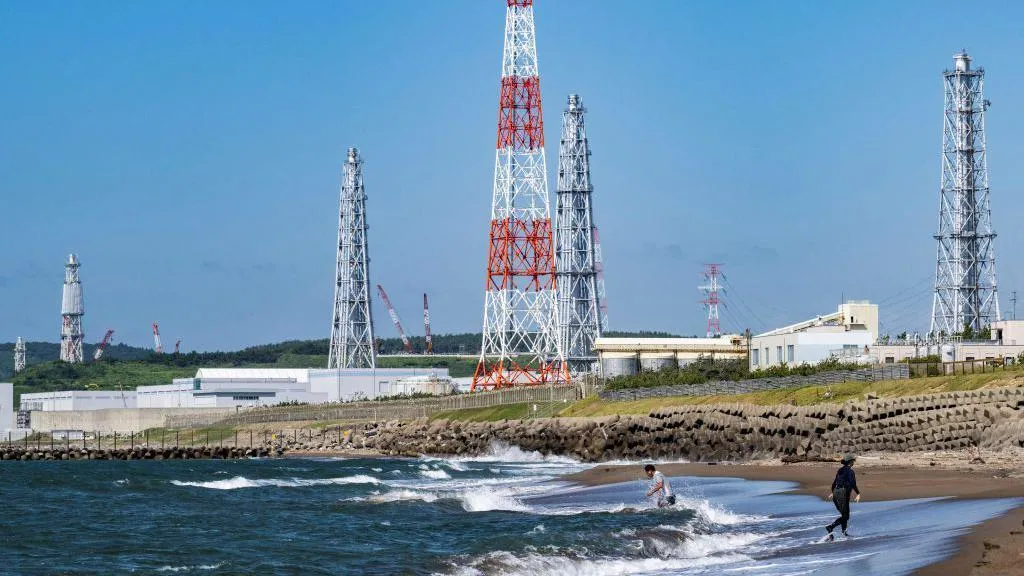
Japan has officially restarted the world’s largest nuclear power plant, a move that has stirred both optimism and concern across the country. While the decision aims to tackle rising energy demands and reduce dependence on imported fuel, it has also reopened painful memories of the 2011 Fukushima disaster.
The Fukushima nuclear accident, triggered by a massive earthquake and tsunami, remains one of the worst nuclear incidents in history. It forced the evacuation of thousands of residents and sparked widespread fear about nuclear safety. Since then, Japan has maintained strict regulations and temporarily shut down several reactors to reassess safety measures.
Government officials now claim that the restarted plant meets the highest international safety standards. Advanced technology, stronger infrastructure, and improved emergency response systems have been introduced to prevent any future catastrophe. Authorities argue that nuclear energy is essential for achieving energy security and meeting climate targets.
However, public opinion remains divided. Many citizens still worry about the long-term risks and potential environmental damage. Protest groups continue to demand a complete shift toward renewable energy sources such as solar and wind power.
As Japan moves forward with this decision, the world watches closely. The restart highlights the ongoing global debate between energy security and safety, reminding everyone that the shadow of Fukushima still lingers.

Thomas Reed is the Breaking News Editor at Newslabx, responsible for real-time news updates and developing stories. He coordinates with reporters and editors to ensure fast, accurate, and verified information reaches readers while maintaining high editorial standards.