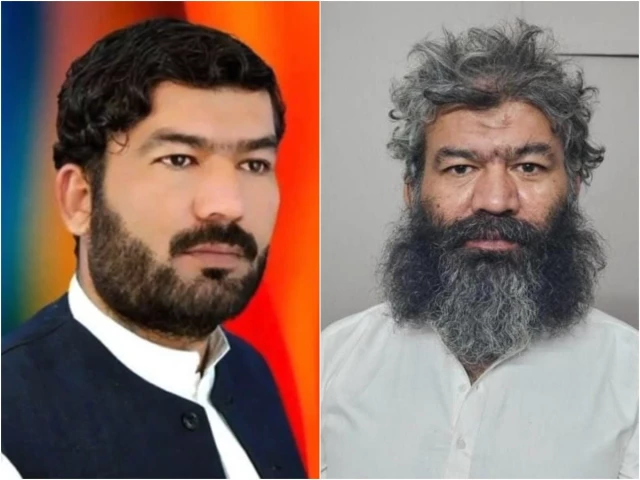
Pakistan’s intelligence agencies have arrested Sultan Aziz Azam, the spokesperson for Islamic State Khorasan (IS-K) and founder of the group’s media wing, the Al-Azaim Foundation, according to a United Nations report submitted to the Security Council.
The information appears in the 16th report of the UN Analytical Support and Sanctions Monitoring Team, which notes that Azam played a central role in IS-K’s propaganda and recruitment operations. Following his arrest, the group’s media activities have reportedly been suspended.
Pakistani authorities have carried out multiple high-profile operations targeting IS-K operatives, including Azam’s detention on May 16, 2025. The UN report emphasizes that such actions have weakened IS-K’s organizational structure globally, thwarted planned attacks, and contributed to a decline in the group’s fighter numbers.
“Overall, IS-K’s operational capability has been degraded as a result of counter-terrorism efforts by Pakistani authorities and the de facto authorities,” the report stated.
The report also highlighted the arrest of Abu Yasir al-Turki, a senior figure in IS-K’s media and logistics network, by Turkish and Pakistani authorities. His detention likely contributed to the shutdown of IS-K’s publication, Voice of Khorasan. Key IS-K commanders and ideological leaders have been neutralized, significantly reducing the group’s operational capacity and leading to the offline status of major propaganda platforms.
The UN document further examined the evolving militant landscape in Afghanistan. It noted that Al Qaeda continues to maintain close ties with the Taliban, maintaining a presence in multiple provinces. While IS-K has lost territorial control, it remains a primary adversary of the Taliban, continuing to carry out attacks inside Afghanistan and abroad.
The report also dismissed claims by Kabul that Afghan territory is not being used for cross-border attacks, calling these assertions “not credible.” Neighboring countries increasingly view Afghanistan as a source of regional instability, with non-state actors including IS-K, Tehreek-e-Taliban Pakistan, Al Qaeda, and others reportedly using Afghan soil to plan external attacks.

Thomas Reed is the Breaking News Editor at Newslabx, responsible for real-time news updates and developing stories. He coordinates with reporters and editors to ensure fast, accurate, and verified information reaches readers while maintaining high editorial standards.